Related: Best Earbuds for Small Ear Canals: What Actually Stayed In
I have bought the same pair of budget earbuds three times. Lost the first after a year, lost the second after a year and seven months, and I was genuinely upset about it both times. I would buy a fourth tomorrow. That should tell you where I stand on budget wireless earbuds: I am not here to tell you they sound like a pair that costs real money. I am here to tell you which ones do not waste yours.
I do live sound and recording cleanup work around Nashville. At the desk I use a serious pair of Sony over-ears, the reference pair, the ones that cost real money and stay home. Everything else, walks, chores, the gym, the grocery store, happens on something cheap. Wired still sounds better and I will say that until I die, but the phone killed the jack, the adapters die faster than the headphones do, and here we are.
So every pair I recommend goes through the same checks. How long does the battery actually last at normal listening volume? Does each bud work on its own? How quiet is the quietest setting? Do they survive two weeks on ear canals as easily sore as mine? And do they greet me with a dramatic "POWER ON" announcement like an overenthusiastic receptionist? The spec sheet answers none of those questions.
These four are the current crop I would put in front of a friend, sorted by what they are actually good at.
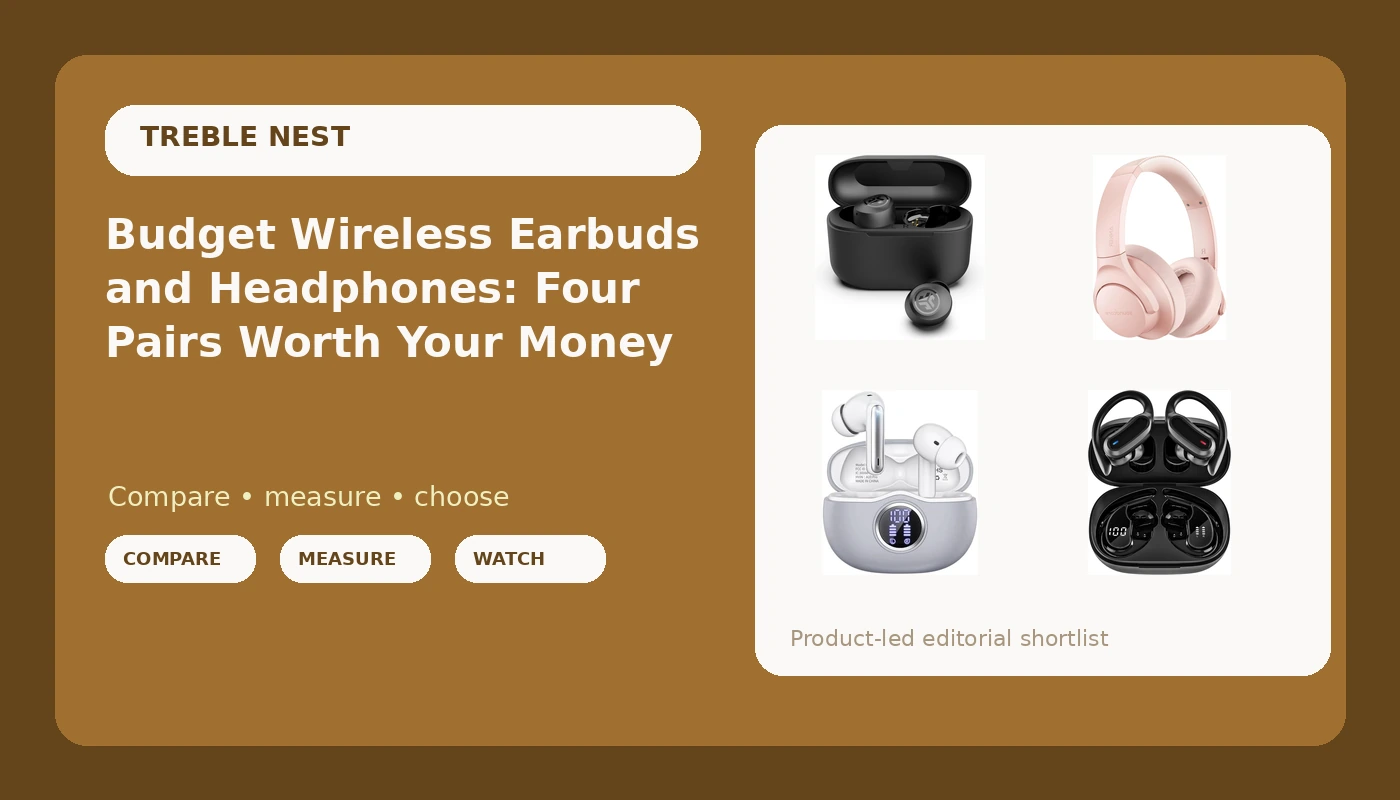
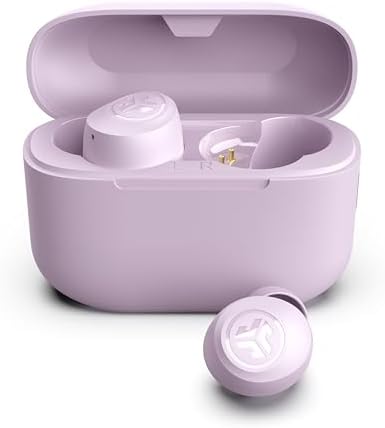
Best for Most People: JLab Go Air Pop+
JLab has been building cheap earbuds for a long time, and the Go Air Pop+ is the pair I would hand to someone who wants earbuds without wanting homework. Dual Connect means each bud works independently, which I did not know I needed until I had it, and now it is a requirement. EQ3 gives you three sound presets from the buds themselves, no app to install, no account to create. The case charges over USB-C, which matters when you have a drawer full of dead micro-USB cables and no patience left.
Thirty-five hours is the claimed playtime on the box. The number I care about is what happens at the volume I actually listen at, on a walk, in Nashville humidity, with the case doing its recharge math in my pocket. That is the test.
Fit is where this pair earns its keep or does not. My ear canals are small and sore easily, so comfortable from me means it survived me, not a reviewer with average ears. Tips are the whole game at this size, and a pair that hurts after twenty minutes is not a bargain at any price.
Fine is the highest praise in this tier. This is the pair most likely to be fine for the most people.
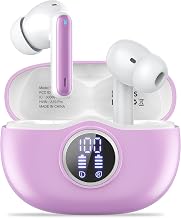
Best for the Gym: A10 Pro Wireless Earbuds
I have used the A10 Pro before, and my position has not changed: it exceeded my expectations for what this tier usually delivers. Bluetooth 5.3 has been stable, no lag, no dropouts, which is not a given in budget Bluetooth. I have owned cheap pairs where the audio trails your video by half a second, and once you notice that you cannot un-notice it. None of that here.
ENC noise cancelling on the microphone does real work on a noisy street. Calls are the part of budget earbuds that usually falls apart first, and these hold up.
The LED digital display on the case shows the charge level, which sounds like a gimmick until you have stood at a trailhead guessing whether your case has anything left in it. IPX7 waterproofing means sweat and rain are not a problem, and 50 hours of playback is the claimed number.
I would reach for this pair before almost anything else here for a run or a workout. The one thing I would check first is tip fit, because a great gym bud that hurts is still a bud that hurts.
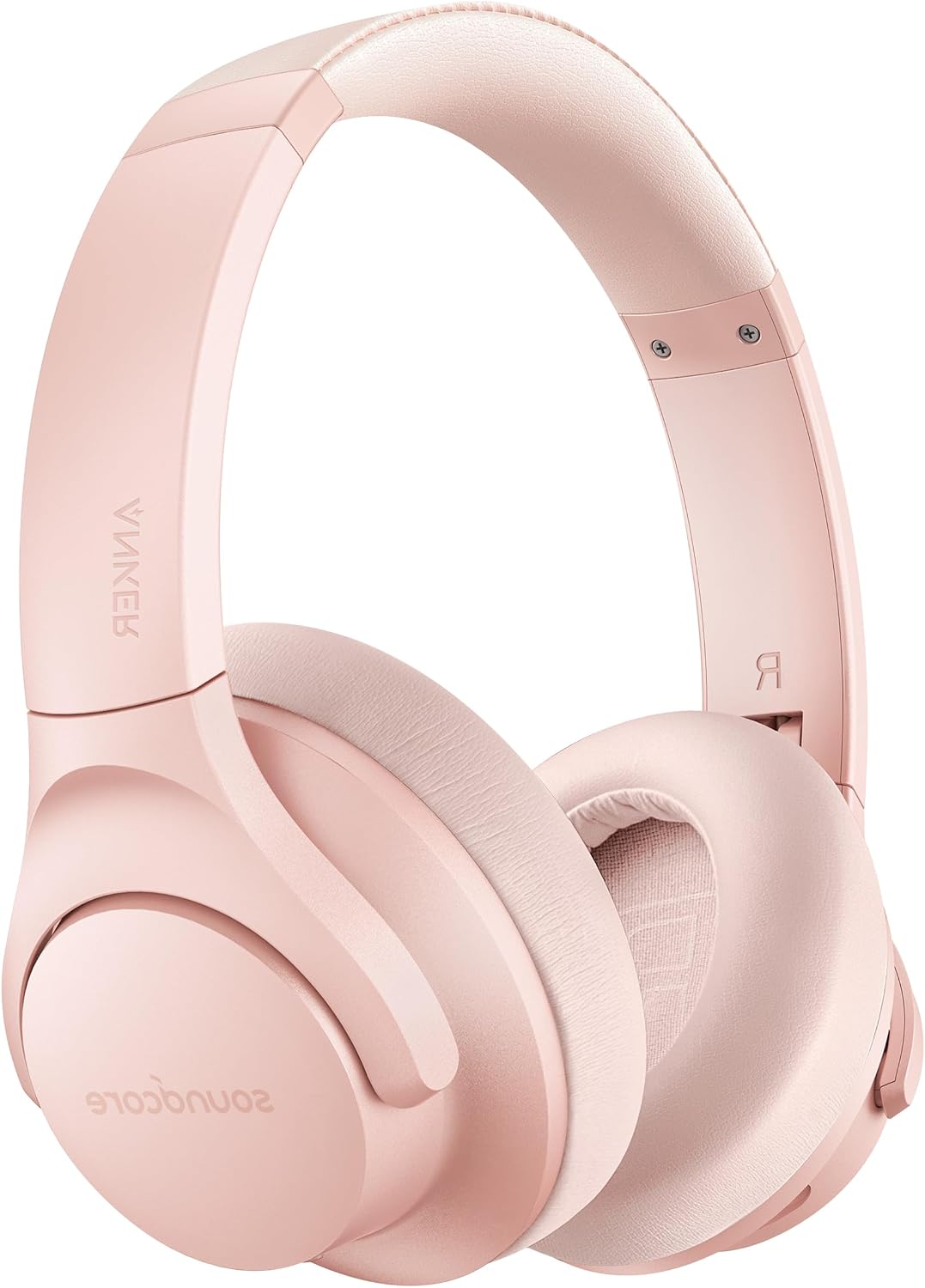
Best Over-Ear: Soundcore Anker Life Q20
Not everyone wants something jammed into an ear canal. If your ears hurt the way mine do, over-ears are the escape hatch, and the Life Q20 is the over-ear pair in this group. Hybrid active noise cancelling, foam ear cups, 60 hours of claimed playtime, USB-C charging, deep bass tuning and Hi-Res Audio support.
Hybrid ANC means it uses microphones inside and outside the cup, and in practice at this price it takes the edge off a plane cabin or an office HVAC hum. It will not erase a crying baby. Nothing at this price does, and any review that tells you otherwise is selling you something.
Sixty hours claimed is the kind of number that means you charge it once and forget about it for a week or two. That is the real advantage of over-ears: a bigger battery, no fit anxiety, no canal pain. The trade is size. These do not go in a pocket.
If you want one pair for travel, desk work, and long listening sessions, this is the one.
Best for Running: Earhook Sport Earbuds with 54H Playtime
This is the earhook pair. A hook wraps over the top of your ear so the bud cannot go anywhere, which matters if you have ever had a bud pop out mid-stride and skitter toward a storm drain. IPX7 waterproofing, 54 hours of claimed playtime, an LED power display, and ENC noise cancelling on the microphone.
Earhooks solve the falling-out problem. They do not solve the sore-canal problem, and the hook itself has to match your ear shape. A hook that pinches is worse than a bud that falls out, so this is the pair I would fit-test hardest before trusting it on a long run.
For running, lifting, and anything where you are moving and sweating, the hook is the feature. For sitting at a desk, it is unnecessary hardware.
The comparison table
Everything above, side by side. Playtime is the manufacturer's claim, not my measurement, so treat it as a starting point rather than a promise. Prices move constantly, so use the links.
| Product | Style | Claimed playtime | Water resistance | Best for | Price |
|---|---|---|---|---|---|
 Visit on Amazon → Visit on Amazon →JLab Go Air Pop+ |
True wireless in-ear | 35H | Not stated in the listing | Everyday listening and calls | $24.99 |
 Visit on Amazon → Visit on Amazon →A10 Pro Wireless Earbuds |
True wireless in-ear | 50H | IPX7 | Gym, running, calls | Check current Amazon price |
 Visit on Amazon → Visit on Amazon →Soundcore Anker Life Q20 |
Wireless over-ear, hybrid ANC | 60H | Not stated in the listing | Travel, office, sore ears | $39.99 |
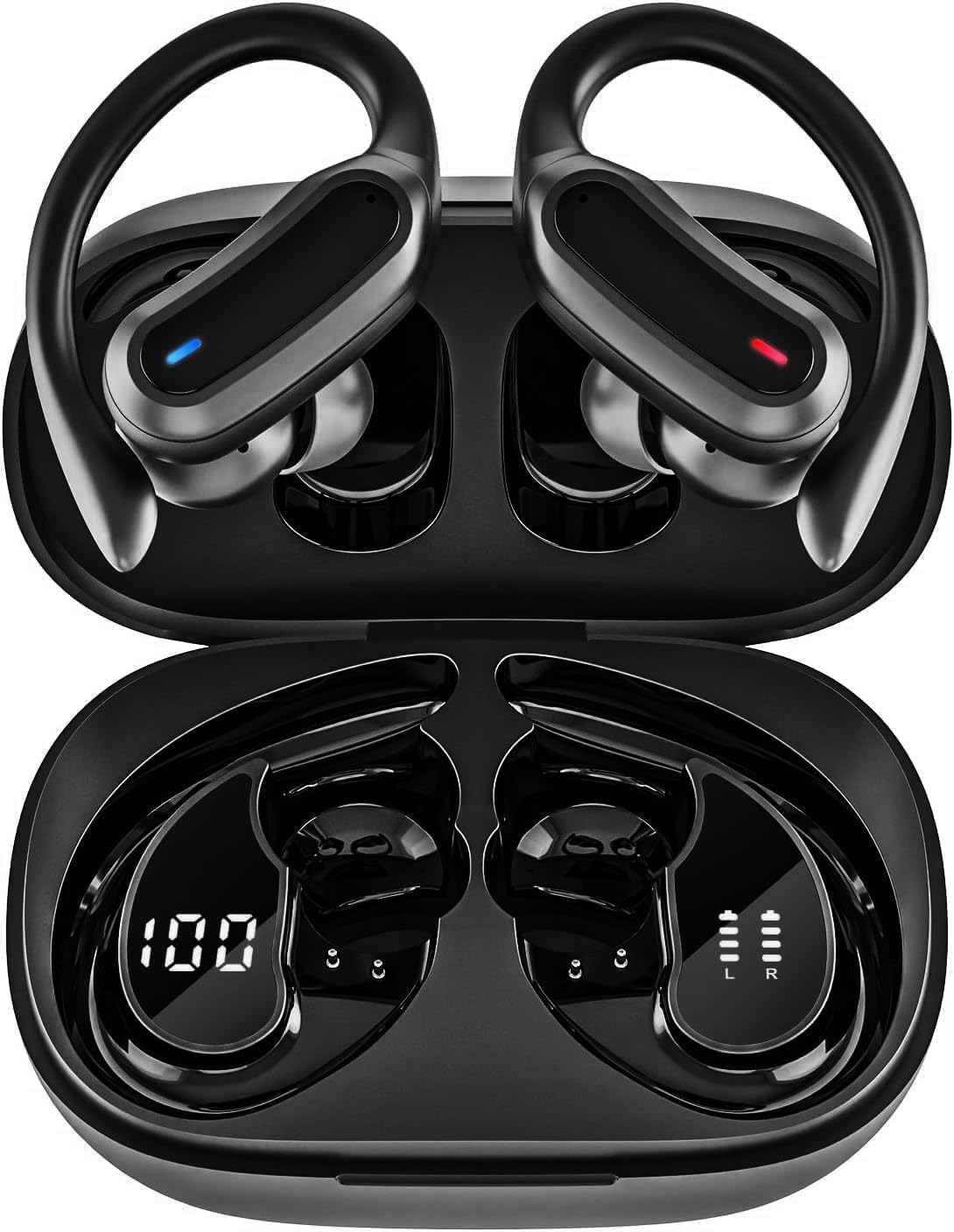 Visit on Amazon → Visit on Amazon →Earhook Sport Earbuds |
True wireless with earhooks | 54H | IPX7 | Running, workouts | $19.94 |
The two things I would circle before buying anything in that table: whether each bud works solo, and how quiet the minimum volume goes. Everything else can be fixed with ear tips.
How I tested
Every pair here goes through the same gauntlet, and it is not a bench test. It is a week of walks, workouts, and actual phone calls, because that is where budget gear either holds up or falls apart.
Battery comes first, because a pair that dies after two hours is useless no matter how good it sounds. I drain at normal volume, not at the whisper level that makes the box number look good, and I watch the case math. A charging case does not extend playtime, it recharges the buds, and marketing that calls a recharge "extended playtime" is a pet peeve of mine. If the case gives you two extra charges, say two extra charges.
Independent bud use comes second. Each bud has to work alone. I did not know I needed it until I had it, and now a pair that cannot do it feels broken.
The volume floor comes third. I listen at night, and if the quietest setting still blasts my eardrums, the pair is out. Almost no review covers this, and it is the check that sends the most pairs back.
Fit comes fourth, and it is the long one. Two weeks minimum on walks and workouts. My ear canals are small and sore easily, so comfortable means it survived me. Every pair hurts at first, no matter the size or the material. The question is whether it still hurts on day ten.
Then the small stuff. Does it announce itself with a shout? Do the touch controls respond, or do you grab your phone anyway? Does it stay paired when you walk from the kitchen to the garage? Fine is the bar. Gear that just works beats gear that impresses on paper.
What actually matters in this tier
Battery claims are marketing until they survive a drain test at the volume you really use. The JLab and the earhook pair claim 35 and 54 hours, the A10 Pro claims 50, and the Life Q20 claims 60. The over-ear number is the one I trust most, not because the brand is magic but because there is physically more room for a battery in a cup than in a bud.
Bluetooth version matters less than stability. The A10 Pro runs Bluetooth 5.3, and stability is the whole story: no lag, no dropouts, no stuttering when your phone is in your back pocket. A newer version number on a badly tuned pair is worth nothing.
IPX7 means the pair can handle sweat, rain, and a rinse under the tap. Two of these carry it. For gym and running use it is close to mandatory, because sweat kills electronics faster than water does.
ENC is the microphone side of noise handling. It does not change what you hear, it changes what the person on the other end hears. On a Nashville street with traffic, it is the difference between a usable call and a call you end early.
Over-ear versus in-ear is the biggest decision here, bigger than any spec. Over-ears avoid your ear canal entirely, which is the only real fix for canal pain, and they carry the biggest battery. In-ears go everywhere and disappear in a pocket. Pick the one that matches your ears and your day.
Should you buy the JLab Go Air Pop+?
Yes, for most people. Each bud works on its own, the presets live on the buds instead of in an app, and the case charges over USB-C. It is the pair I would hand to someone who does not want to think about earbuds. Check current Amazon price.
Should you buy the A10 Pro Wireless Earbuds?
Yes, especially for the gym. Stable Bluetooth 5.3, clear calls, IPX7, a case that shows its charge level, and 50 hours claimed. It exceeded my expectations, and this tier usually does not. Check current Amazon price.
Should you buy the Soundcore Anker Life Q20?
If your ear canals hurt, yes. Hybrid ANC, foam ear cups, nothing inside your ear, and 60 hours claimed so you charge it once a week and stop thinking about it. They do not fit in a pocket. That is the only real cost. Check current Amazon price.
Should you buy the earhook sport earbuds?
For running and workouts, yes. The hook keeps the bud in place, IPX7 covers sweat and rain, and 54 hours is the claimed number. Fit-test the hook before a long run, because a pinching hook ruins the whole point. Check current Amazon price.
The short version
If you want one pair for everything and your ears are normal, get the JLab. If you sweat and you move, get the A10 Pro. If your ear canals hurt, get the Life Q20. If your buds keep falling out mid-run, get the earhook pair. None of these will match a wired pair through a proper interface, and none of them need to. They need to turn on quietly, stay paired, last the week, and not hurt. That is the whole job.