I held onto a 3.5mm jack for years. Wired still sounds better, and I will argue that in any room, including rooms where nobody asked. But the adapters die, the phone moved on, and I got tired of buying dongles that lasted six months. So here is the honest position: I do most of my daily listening on cheap wireless earbuds, and I am picky about exactly four things. Battery life at normal volume. Whether each bud works alone. How quiet the quietest setting goes. And whether they hurt my ear canals after an hour of walking.
That is the lens for this budget wireless earbuds comparison. Four pairs, four jobs: sleep, sport, calls, and the everyday walk-and-chores pair. Not one of them is a reference monitor, and not one of them is pretending to be. The question is which one fits the way you actually use earbuds, and which numbers on the box you should learn to ignore.
Related: Ear Tip Fit And Small Ear Canals Explained
The short answer: for a single pair that covers everything, the JBL Vibe Beam is the safest of the four, because it is the only one with a long consumer-audio track record behind it. The cheapest pair here handles more of the daily grind than its price suggests. The two specialist pairs solve problems the generalists cannot: sleeping on your side, and keeping a bud in your ear at a dead sprint.
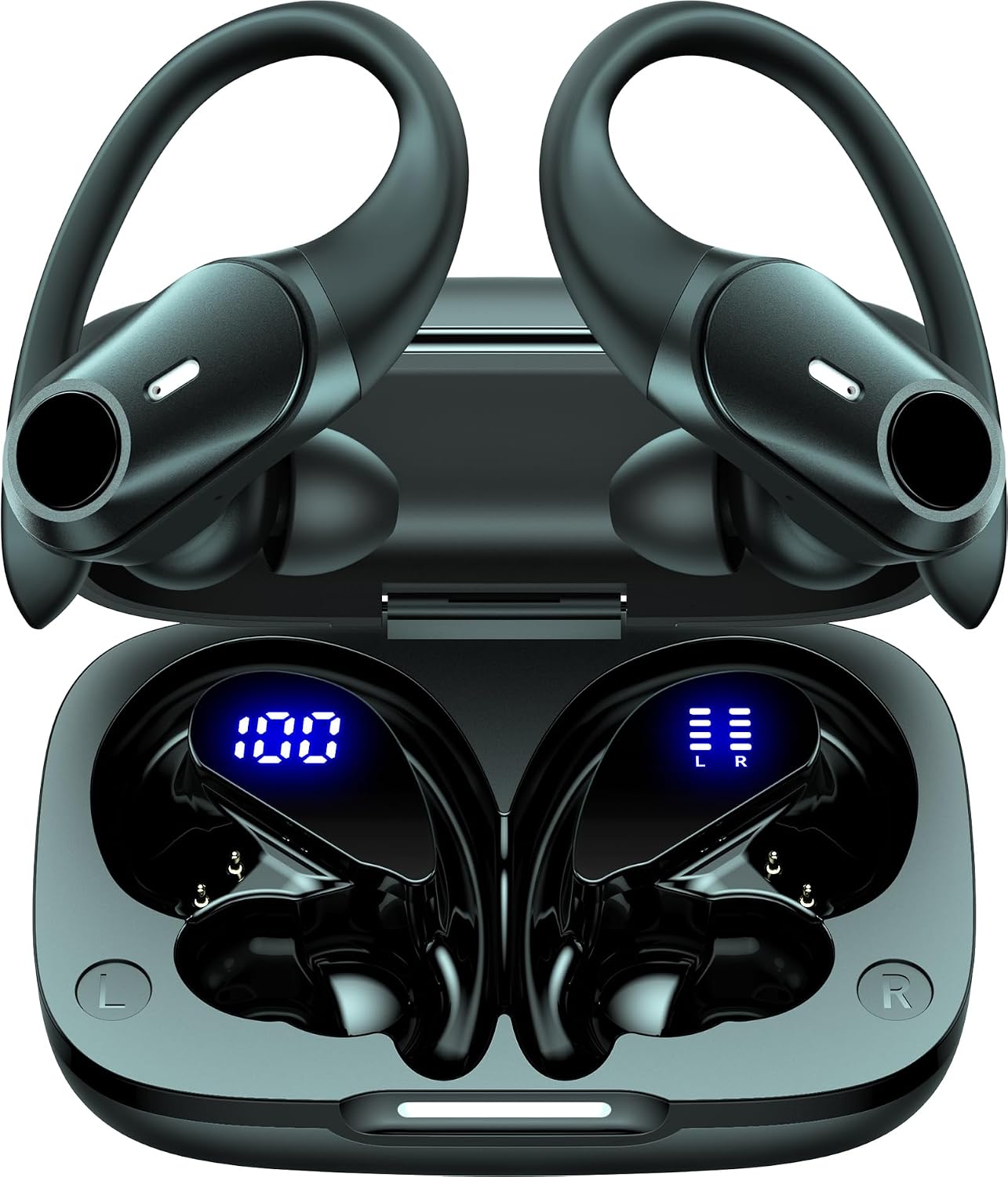
HAOYUYAN Wireless Earbuds, sports, IPX7
IPX7 is the most useful single spec in this table, and the LED case display kills the charging guesswork, at the lowest price of the four
Unknown brand, and noise cancelling at this price is usually passive isolation wearing a fancy label

Sleepals Micro Sleep Earbuds for Side Sleepers, Orange
The only pair here designed for side sleepers, with a micro body that sits flat instead of grinding into the pillow
Small drivers mean modest bass and modest isolation, and a pair this small is easy to lose
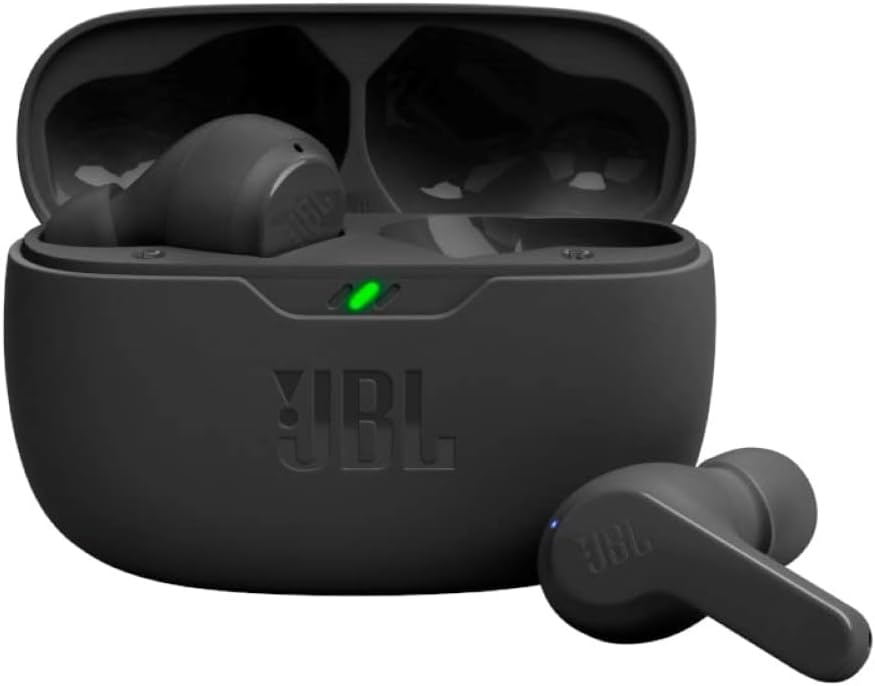
JBL Vibe Beam True Wireless Earbuds, Black
Known brand, predictable bass-forward tuning, and the best odds on call quality in this group
Nothing about it is specialized, and part of what you pay is for the name on the case
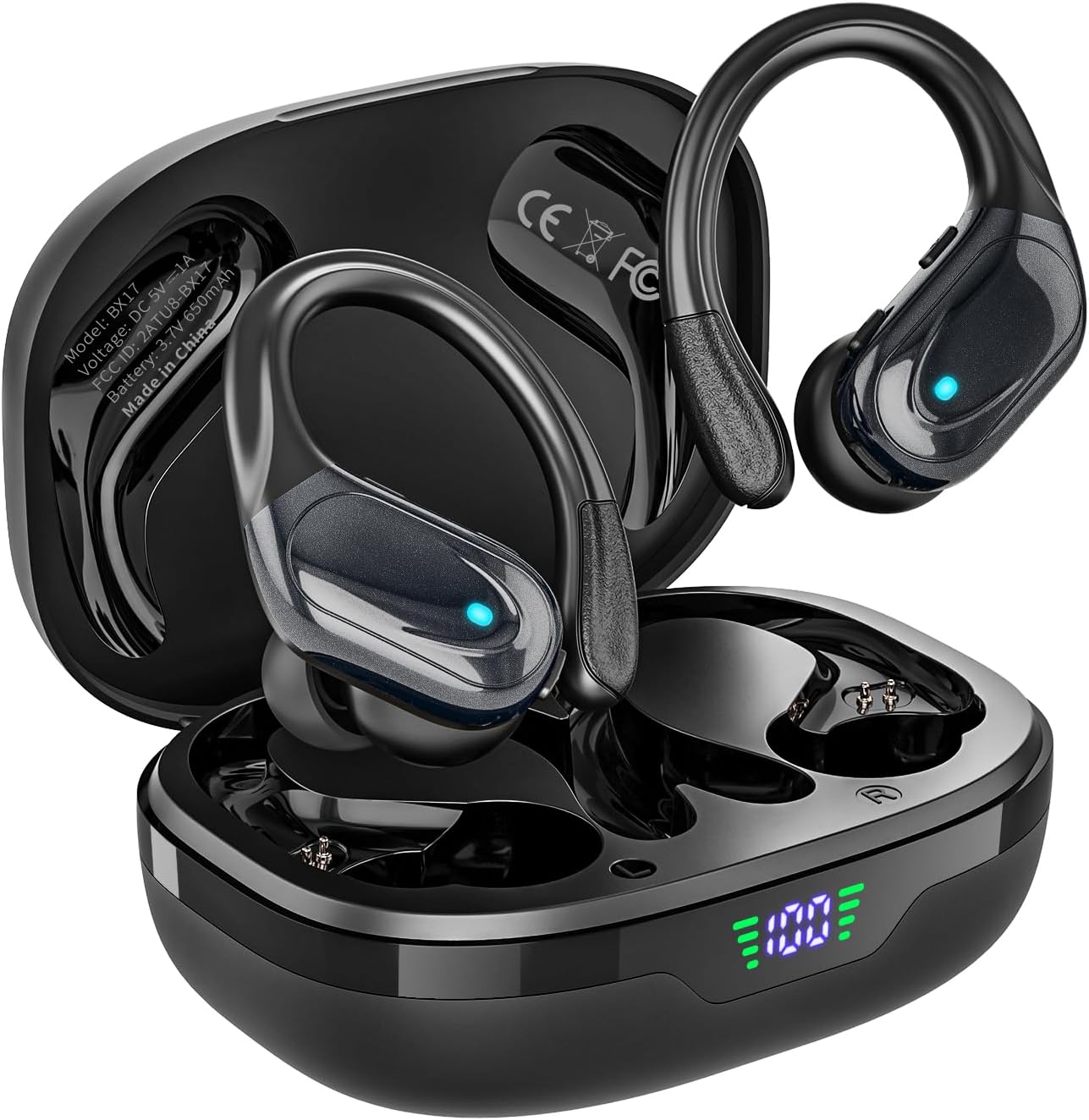
Active Noise Cancelling Ear Buds with Over-Ear Hooks, 50dB ANC
Over-ear hooks, ANC, and a case display make it the most feature-dense pair here
The 50dB and hi-res numbers are labels rather than measurements, and hooks can fight with glasses
Prices and availability were captured from Amazon Creators API and may change.
How I am sorting these four
I have not had all four of these on my bench for the full two-week fit test. They are on the shortlist, not in my ears, so treat this as a sorting exercise rather than a lived-in verdict. What I can do is compare what each pair is built for, translate what the listed specs actually promise, and name the checks each one has to pass before it earns a recommendation. When I call something fine, I mean the category baseline holds up and nothing in the listing trips a dealbreaker. When I say avoid, I mean avoid.
My baseline is the pair I have bought three times, the Soundcore P20i. It is not in this table, but it is the reference every budget pair gets measured against, because it gets the fundamentals right at a price that makes the losses survivable. I have lost two of them so far and I would buy a fourth tomorrow. Any pair here that beats it on battery, fit, or the volume floor earns a spot in my bag. Any pair that only beats it on a bullet point does not.
What every pair has to pass first
The spec sheet never answers the questions that decide whether you keep a pair. Here is the gauntlet.
Battery at normal volume. Two of these listings print 80 hours of playtime. In this tier that number is almost always the buds plus every recharge in the case, which makes it a magic-case number, not a listening number. The buds themselves usually manage 6 to 10 hours per charge. The number I want is the single-charge figure at a volume I actually use, and it is rarely on the box.
Independent bud use. I did not know I needed this until I had it. One bud in, one ear free, phone in the other hand. Some budget pairs still refuse to work solo, and no listing will tell you. It is the first thing I confirm with my own ears.
The volume floor. A pair that cannot get quiet is useless at 11pm. Noise cancelling circuits in particular tend to push the minimum volume up, so the ANC pair here is the one I would test first for late-night listening.
Fit, with the small-canal caveat. My ear canals are small and they complain about everything, so comfortable from me means it survived a week of walks, not a five-minute try-on. Hook designs, micro designs, and standard in-canal designs all fail in different ways.
The power-on announcement. A loud "POWER ON" greeting is a dealbreaker. I cannot tell from a listing whether a pair chimes softly or shouts at me like an overenthusiastic receptionist, so that check waits for the reviews.
The sleep pick: Sleepals Micro Sleep Earbuds
Side sleepers are the reason this pair exists, and it is the only one of the four designed for the job. A micro body sits flatter in the ear, which means less pressure against the pillow when your head is on its side. Standard in-canal buds, including every other pair in this table, push into the canal and grind against the pillow, and by 2am you are awake and annoyed at a piece of plastic.
What you trade for that shape: micro housings mean small drivers, so do not expect the bass of a normal pair, and the isolation is modest. They are also easy to lose, which is a real cost in a category where I have personally lost two pairs to couch cushions and airport seats. The price sits in the middle of this group, and you are paying for the shape, not the sound.
If you sleep on your back, skip these. If you sleep on your side and you have tried everything else, this is the row to read twice.
The sport pair: ANC earbuds with over-ear hooks
This is the most ambitious listing of the four. Over-ear hooks, 50dB of active noise cancelling, 80 hours of claimed playtime, a charging case with a display, hi-res sound, clear calls, and the top price in this group.
The hooks are the part I believe most. A hook that wraps over the ear is the simplest reliable answer to a bud that will not stay in, and for running, cycling, or a gym session it is worth more than any tuning claim. The display on the case is genuinely useful, since I would rather read a percentage than guess from a blinking light.
The rest needs translation. A 50dB noise cancelling number is a lab figure measured at one frequency, and real attenuation is a curve, not a single digit. Hi-res sound without a codec listed is a label, not a spec, and in this tier you should assume the standard Bluetooth codecs. The 80 hours is the magic-case math again. And hooks plus glasses can be a fight, so if you wear frames, that is the first thing to check. This is also the pair most likely to greet you with a dramatic power-on voice, because sport buds love an announcement. Reviews will tell you.
The everyday pair: JBL Vibe Beam
If you want one pair and no homework, buy the one from the company that has been making speakers and headphones for decades. That is the whole argument, and it is a good one. The tuning tends to be bass-forward but predictable, call quality is usually solid, and you are buying a known quantity rather than an unknown seller with an optimistic listing. It is the pair I would hand someone who does not want to think about earbuds at all.
The trade-offs are that nothing about it is specialized. It will not sleep flat, it will not hook over your ear, and it will not out-spec anything here on paper. You are paying part of the price for the name. What you get for that is the thing that matters most in the budget tier: fewer surprises.
The cheap workhorse: HAOYUYAN wireless sports earbuds
The most useful spec in this entire table is on this row: IPX7. That is a real water-resistance rating, not a marketing adjective, and it is the difference between a pair that survives a rainy walk and a sweaty gym session and a pair that does not. The LED power display on the case is the second useful thing, because it removes the guesswork about when to charge.
Everything else on the listing is a claim I would verify. Noise cancelling in a pair at this price is usually passive isolation, which is fine, and the 80 hours is the case math again. The brand is unknown to me, which means support and warranty are the real risk. But this is the least expensive pair of the four, and for yard work, rain, and the bottom of a gym bag, the risk is small enough that I would take it.
What you give up at every price here
Wired sound quality. None of these matches a decent wired pair at the same money, and no wireless pair at any price matches my reference over-ears. I still think wired sounds better. The jack is gone anyway. Make peace with it and pick for battery and fit instead.
Real noise cancelling. The ANC in this group is sport-bud ANC: it knocks down engine rumble and gym clatter, not the conversation at the next table.
Codec detail. Not one of these listings tells you which Bluetooth codecs it supports, so assume the standard ones and do not pay extra for a hi-res badge.
Case battery math. A case recharges your buds. It does not extend a single charge into another dimension, no matter what the bullet point says.
Independent bud reliability. It is listed nowhere. Test it on day one, while you can still return the pair.
Which one for which person
- You sleep on your side: the Sleepals Micro pair. Shape first, sound second.
- You run, ride, or lift: the hook pair with ANC. Hooks do the heavy lifting.
- You want one pair and no homework: the JBL Vibe Beam.
- You want the cheapest pair that can take a beating: the HAOYUYAN sports pair, with IPX7 and a case display at the bottom of the price range.
What I am checking next
All four of these are going through the same two-week test the rest of the shortlist gets: battery drain at normal volume, each bud solo, the quietest setting at night, and a walk plus a workout for fit. I will also find out which ones greet me with a soft chime and which ones shout. The spreadsheet decides from there, and the spreadsheet does not care about the marketing copy.
If you take one thing from this comparison, take the checklist rather than my ranking. Battery at normal volume, solo bud use, volume floor, fit, and no obnoxious power-on voice. Get those five right and almost any pair in this price range is fine. Get them wrong and it does not matter how good the spec sheet looked.