Related: Earbud Battery Claims, Checked Against Real Drain Tests
Budget wireless earbuds are where I actually live. I run monitor mixes in small Nashville rooms and clean up podcast audio at a desk with a serious pair of over-ears, and everything else in my day, walks, the gym, dishes, the grocery run, happens on whatever cheap pair is charged. This guide is about that half of my listening life: three pairs of budget wireless earbuds and one over-ear set, sorted by what each one is honestly for.
I held onto a 3.5mm jack for years. I was the person with the wired opinion and a drawer full of adapters that died one by one, until the phone stopped working with connectors entirely and I gave up. Then I fell down the review rabbit hole, where every review contradicted the last and I ended up more confused than when I started. I finally ordered the Soundcore P20i on gut instinct, and I've bought it three times since. Lost one after a year, lost another at a year and seven months, and I'd buy a fourth tomorrow. That history is why I write these: not to sell you the fanciest thing, but to save you the spiral.
Every pair below gets the same first questions. How long does the battery really last at normal volume? Does each bud work alone? How quiet is the quietest setting? Do they survive a two-week fit test on walks and workouts without hurting my ear canals? Any dramatic "POWER ON!" announcement, or case marketing that pretends recharging is extra battery life? That's the test. The spec sheet never answers it.
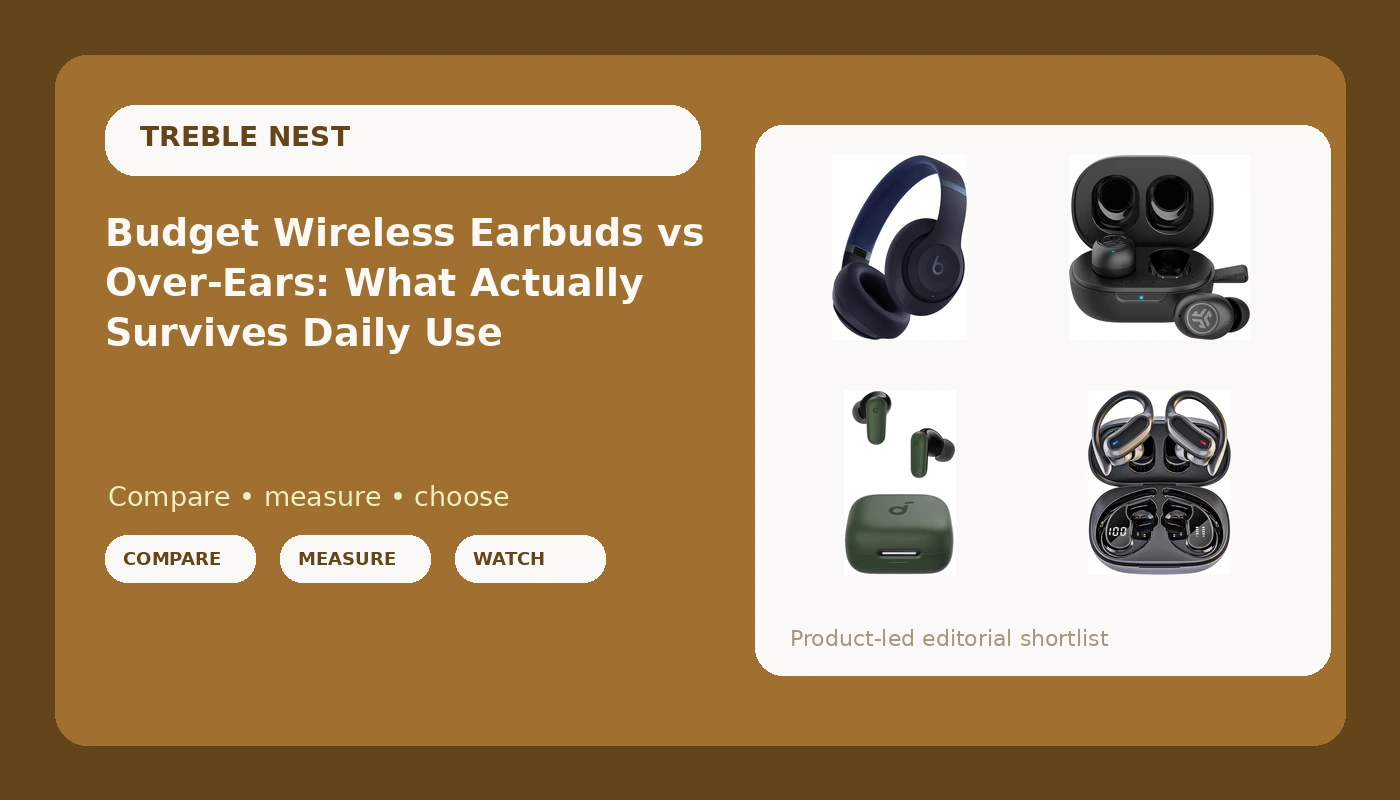
Best Overall for Daily Life: Soundcore P30i by Anker
This is the pair I'd hand to most people. It's Anker's budget line with noise cancelling on board, and the case is built around hands-free viewing, which is the rare case gimmick I don't roll my eyes at, because propping a phone up on a tray table or a kitchen counter is something I do constantly. Anker's budget buds have earned my trust the expensive way. The P20i is the pair I keep replacing, and what keeps me coming back is the boring stuff: soft power-on sounds instead of a voice shouting at me, a volume floor that goes genuinely quiet for late listening, and a case that holds a charge for weeks in a bag.
Fit is the thing to settle first. My ear canals are small and easily sore, and every pair hurts until I find the right tip, so I swap tips before I judge anything. If a bud hurts after twenty minutes, nothing else about it matters. Independent bud use is the other dealbreaker, and it's the first thing I check on any pair, because one bud in while the other charges is how I actually get through a workday.
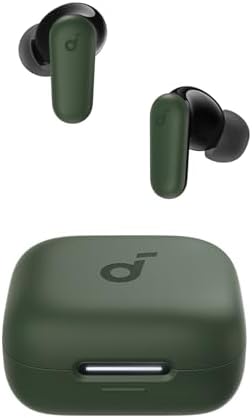
Best for Travel and Serious Listening: Beats Studio Pro
This is the only over-ear pair here, and it's the one for planes, trains, and open offices. Beats lists up to 40 hours of battery life, active noise cancelling, USB-C lossless audio, and compatibility with both Apple and Android, which covers the two things I care about most in a travel pair: does the battery outlast a long day, and does the noise cancelling actually buy me quiet.
I'll say the unpopular thing I always say: wired still sounds better than wireless. The iPhone killed the jack anyway, and the adapters die on you, so wireless is the practical reality, and USB-C lossless audio is the closest the wireless world gets to closing that gap. If you want one pair that does serious listening on a plane and doesn't touch your ear canals at all, this is the shape to buy. Over-ears sit around the ear, so my sore-canal problem simply doesn't apply, and that alone is worth something.
The catch is the price. This costs several times what the earbuds here cost, so buy it for the noise cancelling and the battery, not because it looks like the serious option. It's a different tool for a different job, and if your listening is 90% walks and chores, the cheaper pairs below will serve you better.
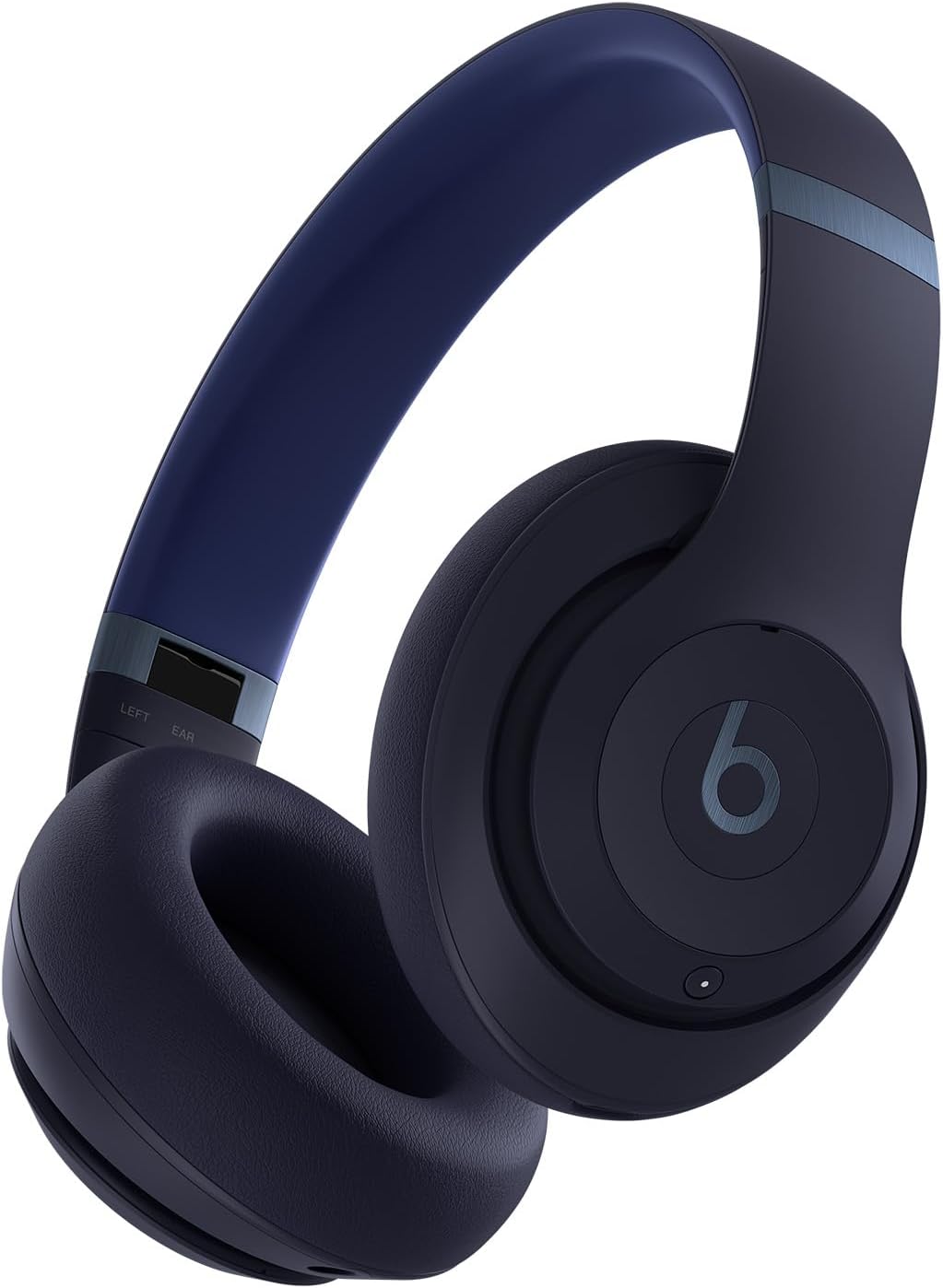
Best for Small Ear Canals and Two Devices: JLab JBuds Mini
The name tells you the pitch: Mini. Small buds and a small case, which is exactly what a person with small, easily sore ear canals should look at first. JLab lists IP55 sweat and dust resistance, Bluetooth multipoint, Be Aware Audio, three EQ sound settings, and crystal clear calls.
Multipoint is the feature I use most and talk about least. Being connected to the laptop and the phone at the same time means a call doesn't require me to unpair anything, and pairing reliability is the kind of thing you only notice when it's bad. Be Aware Audio, the pass-through mode, is the other one I'd use daily, because I want to hear traffic and doorbells without pulling a bud out. IP55 covers sweat and dust, which is plenty for the gym and a light rain, though it isn't the same promise as a full waterproof rating. If you switch between two devices all day and standard tips have always felt too big, start here.
Best for Running and Workouts: Earhook Sport Earbuds
These are the ones with earhooks, the little arms that loop over the top of your ear. The listing claims 54 hours of playtime, ENC noise cancelling for calls, an LED power display on the case, and IPX7 waterproofing. For running and workouts, the hook is the whole point: the bud doesn't depend on a deep canal seal to stay put, so it stays in when you're sweating and moving, and it doesn't press as hard on the parts of my ears that hurt.
Two honest caveats. First, that 54-hour number is the case-included figure, not one charge, so do the math before you believe it. That's the "magic case" language I complain about constantly, and it's worth understanding before you buy any pair, not just this one. Second, hooks are bulky. They can fight with glasses, a hat, or a bike helmet, and the ENC microphone array is doing its best on a windy street rather than performing a miracle. IPX7 is the real advantage: that's a genuine waterproof rating, not a splash rating, and it's what I'd want if sweat or rain is the main threat to a pair.
How I tested
Every pair that lands on my desk runs the same gauntlet, and the current crop is no different. Battery drain at normal listening volume, not the volume the marketing department used. Each bud solo, because independent use is non-negotiable for me. The volume floor, checked at night, because a pair whose quietest setting still blasts my eardrums is useless after dark no matter how good it sounds loud.
Then the part the spec sheet can't touch: a two-week fit test on walks and workouts, with my small ear canals as the judge. If I'm adjusting a bud every block, it fails, and no amount of bass saves it. I also run call tests on a noisy street, since ENC claims are easy to make and easy to disprove, and I do the case math, which means counting how much of the advertised playtime is actually one charge versus recharges from the case.
I don't review gear I haven't paid for. I'm a repeat buyer in the budget tier, not a sponsored reviewer, and the spreadsheet that decides these picks doesn't care about the marketing copy.
Analysis and test results
The battery number is where almost every listing plays games. A figure like 54 hours sounds like one charge and almost never is. It's usually the buds plus two or three trips through the case, which is fine, as long as you know that's what you're buying. A pair that dies after two hours of real use is useless regardless of how it sounds, so I check the drain at normal volume before I care about anything else.
The volume floor separates good budget gear from bad. Cheap pairs often have a minimum that's loud enough to blast my eardrums, which makes them unusable for a quiet room or a podcast at 11pm. Anker's budget line has handled this well in my experience, and it's one of the reasons I keep recommending that family of buds.
Fit beats frequency response, and I'll keep saying it. Over-ears never touch the canal, so the Beats pair sidesteps my sore-ear problem entirely. The earhook pair solves it with a different trick, holding on with a hook instead of a deep seal. The Mini pair solves it with size. Only the standard in-ear shape asks your canal to do all the work, which is why tips and a two-week trial matter more than any graph.
Independent bud use and pairing reliability are the quiet specs. A bud that only works in a pair is a bud that's useless while the other one charges. Multipoint on the JLab pair means fewer pairing rituals. And the little things add up: soft chimes instead of a voice announcing itself, controls that respond the first time, a case that just recharges without pretending it's extending your battery into another dimension.
The comparison table
Same four picks, sorted by what they're for. Every one of these is a legitimate answer to a different question, which is why I don't hand out a single winner.
| Pick | Style | What the listing says | Best for |
|---|---|---|---|
 Visit on Amazon → Soundcore P30i by Anker |
In-ear, charging case | Noise cancelling, hands-free viewing | Everyday listening and calls |
 Visit on Amazon → Beats Studio Pro |
Over-ear | Up to 40-hour battery life, active noise cancelling, USB-C lossless audio, Apple and Android compatible | Travel and commuting |
 Visit on Amazon → JLab JBuds Mini |
In-ear, small case | IP55 sweat and dust proof, Bluetooth multipoint, Be Aware Audio, 3 EQ sound settings, crystal clear calls | Small ears and two devices |
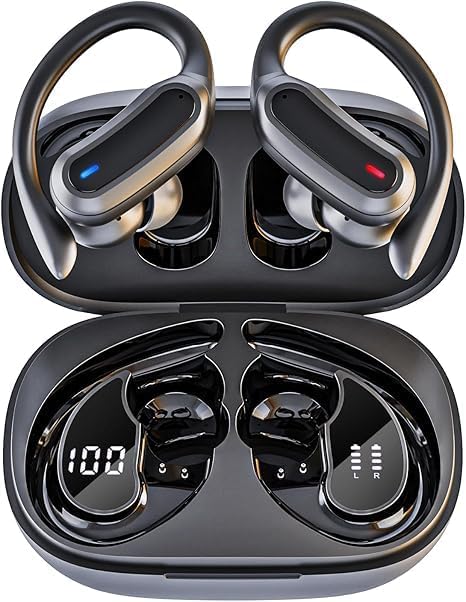 Visit on Amazon → Earhook sport earbuds |
Earhook over-ear bud | 54H playtime, ENC noise cancelling, LED power display, IPX7 waterproof | Running and workouts |
Should you buy the Soundcore P30i?
Yes. It's the pair I'd buy first if I were starting over, because it does the everyday job with noise cancelling and a case that doubles as a phone stand, and Anker's budget line has earned my repeat business the hard way. Check current Amazon price and see where it lands against the P20i, which is the one I've lost twice and replaced twice.
The only reason to hesitate is fit. If standard in-ears have always hurt you, try the smaller JLab pair or the earhooks before you commit. Everything else about the P30i is fine, and from me, fine is the highest praise in this tier.
Should you buy the Beats Studio Pro?
Yes, if you want one over-ear pair for travel and you'll actually use the noise cancelling and the battery life. It's the expensive pick here, it doesn't touch your ear canals at all, and USB-C lossless audio is the closest wireless gets to the wired sound I still miss. Check current Amazon price and be honest with yourself about how often you fly or commute.
If your listening is walks, chores, and the gym, skip it. You'd be paying for a tool you don't use, and the budget earbuds here will do the job without the guilt.
What about the other two?
The JLab JBuds Mini is the pair for small ears and two devices, and multipoint alone justifies it if you bounce between a laptop and a phone. The earhook sport pair is the one for running, with a genuine IPX7 waterproof rating and hooks that keep it in place when a seal alone won't. Both are fine, both are worth the money, and neither one is trying to be the other. Pick the shape that matches your day, swap the tips until nothing hurts, and stop reading reviews. I say that as someone who read all of them.