I have bought the same pair of budget earbuds three times. Lost one after a year, lost the second after a year and seven months, and took both losses harder than the money justified. That is the lens for this wireless earbuds comparison. I am not sorting four pairs by which one looks best on a spec sheet. I am sorting them by which one I would buy again without hesitating.
Most of my week is live sound and podcast editing around Nashville, where a serious pair of over-ears does the reference work and never leaves the desk. Everything else, the walks, the gym, the grocery run, the commute, happens on cheap earbuds that have to survive my ears and my habit of losing things. Two of the pairs here are Soundcore: the P30i, which leads with noise cancelling, and the V20i, which sits outside the ear canal entirely. One is the Beats Solo Buds, which leads with battery life. The last is the Bose QuietComfort Ultra Earbuds (2nd Gen), the only true flagship in the group.
Related: Open Ear vs In Ear Earbuds: What Actually Fits
The short version: the Soundcore P30i is the pair I would hand to most people, the Beats Solo Buds are the pair for someone who runs out of battery before they run out of day, the Soundcore V20i is the pair for anyone whose ear canals hurt, and the Bose QuietComfort Ultra Earbuds (2nd Gen) are the pair for someone who wants the best and is done pretending price is the objection.
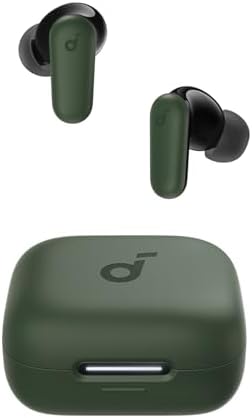
Soundcore P30i by Anker Noise Cancelling Earbuds, Hands-Free Viewing
Cheapest way into active noise cancelling in this group, and the row I would recommend first
Budget build with no immersive processing, and the name promises the basics rather than anything exotic
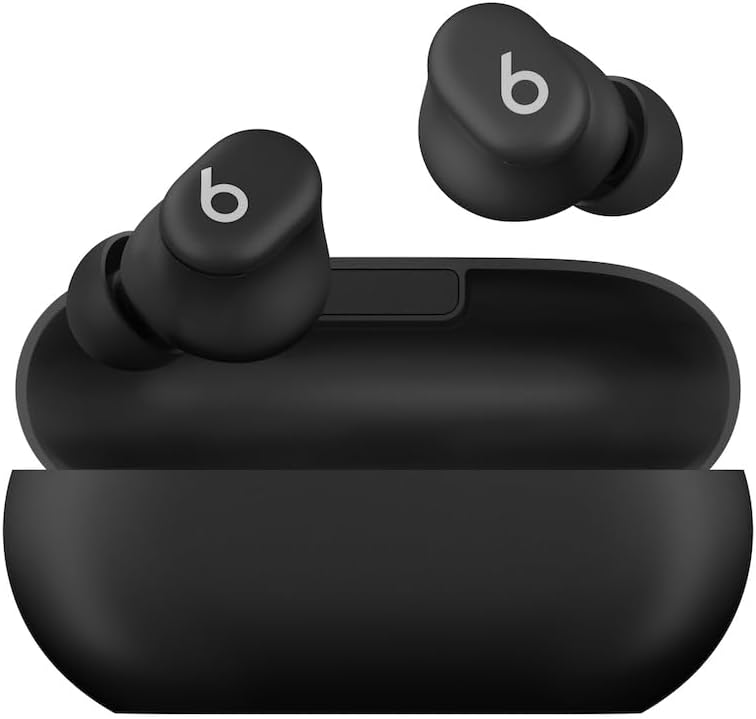
Beats Solo Buds - Wireless Bluetooth Earbuds, 18 Hours of Battery Life, Apple & Android Compatibility, Built-in Microphone, Matte Black
18 hours is the longest stated battery figure here, plus compatibility with both phone platforms
Battery is the headline, so verify the case and fit details before you commit
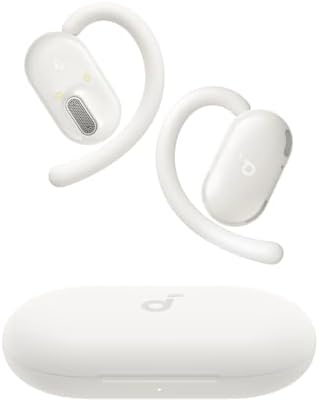
Soundcore V20i by Anker Open Ear Earbuds, Open Ear Headphones True Wireless
Open-ear shape takes all the pressure off a sore ear canal
Open ear means you give up isolation and low-end weight, and you hear the room
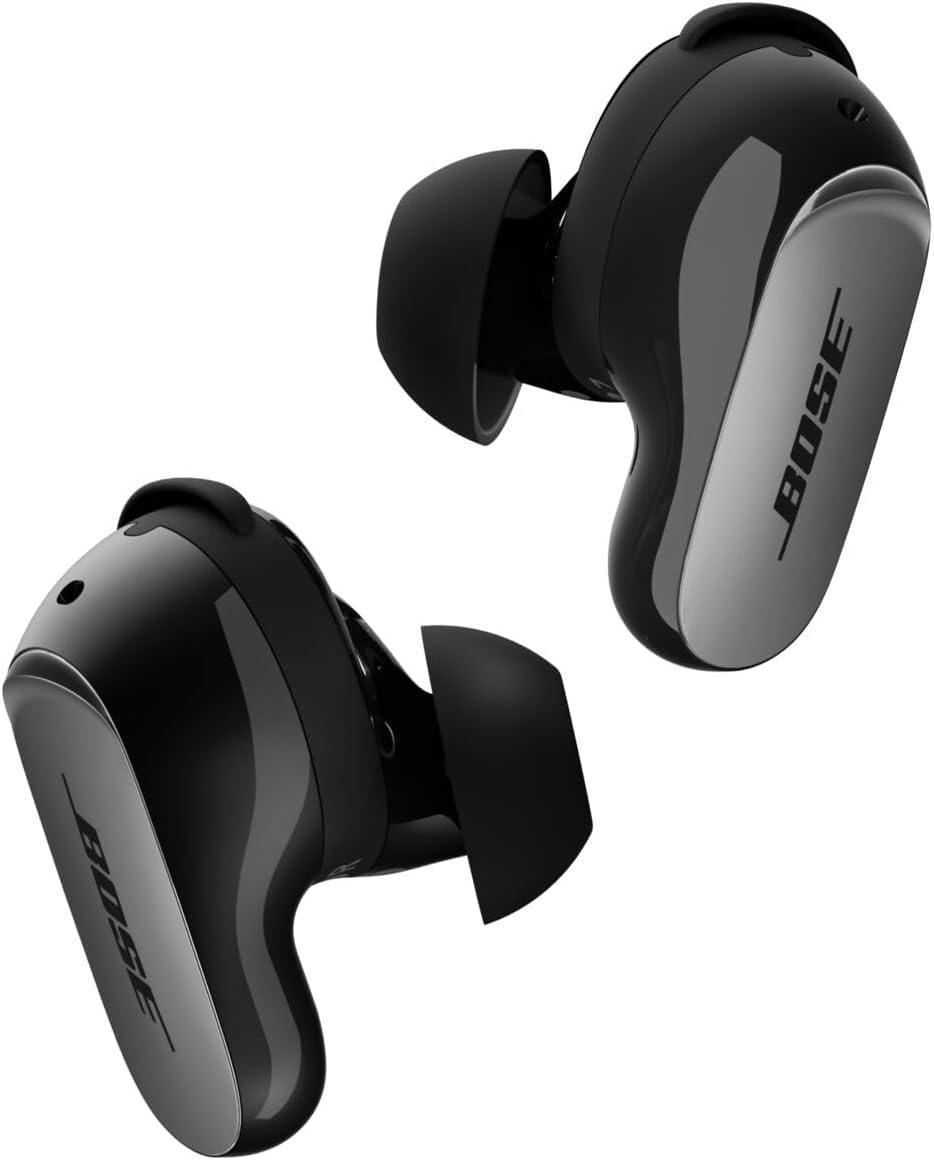
Bose QuietComfort Ultra Earbuds (2nd Gen) - Wireless Noise Cancelling Earbuds with Mic, Immersive Audio, USB-C Charging, Up to 6 Hours Battery, IPX4 Rating, Black
Immersive Audio, noise cancelling, IPX4 and USB-C in one pair, with the best fit and finish of the four
The biggest price step in the table, and up to 6 hours is the most modest battery figure stated here
Prices and availability were captured from Amazon Creators API and may change.
The four checks that decide everything
Before a feature comparison matters, I run four questions past every pair I consider. They come from years of buying cheap earbuds, losing them, and buying them again.
- Battery life at normal volume. Box numbers are marketing until they survive a week of real listening. I check the claim, then I check how the pair behaves when it is half empty and I still have a walk home.
- Independent bud use. I did not know I needed this until I had it. One bud in, one ear free for traffic, a conversation, or a monitor check. A pair that refuses to work solo is a pair I stop reaching for.
- The volume floor. My hearing is my job. If the quietest setting is still loud enough to blast my eardrums, the pair is useless at night, on a plane, or anywhere I want background music instead of a concert.
- Fit on a small ear canal. Mine are narrow and easily sore. Every pair hurts eventually. The ones that survive two weeks of walks and workouts are the ones that earn a recommendation.
And a fifth, less measurable: the power-on announcement. A soft chime is fine. A voice greeting me like an overenthusiastic receptionist every time I pull a bud out of the case is not.
Soundcore P30i: the value pick
The P30i does the most ordinary things well for the least commitment. The product name leads with noise cancelling, the feature that used to cost a lot more than this tier, and it adds a hands-free viewing angle that makes it a slightly different animal from a plain set of buds.
Here is why it wins for most people. Noise cancelling is the one upgrade that changes how you use earbuds, because it turns a loud commute into a usable listening session. Everything above it in this list costs more, and the jump from here to the Bose is the biggest price step in the table. If you are upgrading from a wired pair with a dead adapter in a drawer, start here.
Where it loses: the name promises the basics and nothing exotic. No immersive processing, no premium materials, no flagship fit and finish. It is a tool, not a luxury object.
Beats Solo Buds: the battery play
Battery life is the first spec I check, and the Solo Buds are the only pair here whose name states 18 hours. That is a long day and then some. If your failure mode is reaching for earbuds at 6 p.m. and finding them dead, this is the row in the table written for you.
The name also states Apple and Android compatibility, which sounds like a small detail until you have owned a pair that played nicely with one phone and sulked with the next. A built-in microphone is listed too, so calls are part of the job description.
What the name does not state is noise cancelling. If ANC is on your list, this is not your row, and you should not assume the feature is hiding in the fine print. The other thing worth verifying before you buy is the case and the fit, because a battery headline is only half of the daily experience.
Soundcore V20i: the open-ear compromise
I spent years on open-ear buds as a compromise for sore canals, and the V20i is the modern version of that idea. The driver sits outside your ear canal, nothing presses inward, and for someone whose ears hurt with every tip size and every material, that is not a small feature. It is the difference between wearing earbuds and giving up on them.
The trade is honest and it does not go away. Open ear means open: you hear traffic, the room, the treadmill, the person talking to you. Isolation drops, low end thins out, and the sound becomes a companion to your day rather than the main event. I got tired of pretending otherwise, and I would rather tell you plainly than sell you a fantasy of open-ear bass.
If your ears are the reason you stopped wearing earbuds, this pair solves the actual problem. If your priority is a private listening bubble on a plane, it does not.
Bose QuietComfort Ultra Earbuds (2nd Gen): the flagship
This is the pair that does everything the others only gesture at. The name lists wireless noise cancelling, Immersive Audio, USB-C charging, an IPX4 rating, and up to 6 hours of battery. Immersive Audio is the kind of feature that sounds like marketing until you hear it, and IPX4 tells you sweat and light rain are not a problem. USB-C means one cable for the phone and the buds, which I care about more than I should.
The battery figure is the interesting one. Up to 6 hours is the most modest number stated in this table, and it is why I keep saying battery life is the first spec to check and never the last one to trust. If your listening day runs longer, the case does the rest, and a case recharges. It does not extend playtime into another dimension, no matter how the copy is written.
What you are paying for is the noise cancelling, the processing, and the fit and finish. If you have ever put in a pair and felt the world go quiet in a way that made you laugh, this is that experience with a price tag attached.
The trade-offs the spec table hides
Price is not linear with quality. The Bose costs many times what the P30i costs. It is not many times better on a walk around the block. It is better in the specific ways that matter when noise cancelling and processing are the whole point of the purchase. Most people overpay for the top row and then listen to podcasts at 40 percent volume. Decide which listener you are before you decide which row you are.
Open ear and noise cancelling are opposites. The V20i and the Bose are doing different jobs. One lets the world in on purpose; the other shuts it out on purpose. No spec sheet settles that, because it depends on whether you are walking beside traffic or sitting in a cabin.
Battery numbers come from the box. Every figure in the table is the manufacturer's claim, and a claim is where the test starts, not where it ends. A pair that plays for its stated hours at a comfortable volume is doing its job.
Charging cases recharge. That is the whole trick. The case holds energy, the buds spend it, and the case puts some back. Marketing language that calls this extended playtime is describing a battery with extra steps.
Fit is the spec nobody prints. None of the four pairs here lists ear canal size in the table. Mine are small and easily sore, and I would trade a feature for a comfortable tip every time. If a pair hurts after twenty minutes, the frequency response is irrelevant.
Who should buy which
- Buy the Soundcore P30i if you want noise cancelling, a normal earbud shape, and the lowest commitment in this group. This is the one I would recommend first to a friend who just wants earbuds that work.
- Buy the Beats Solo Buds if battery life is your number one complaint and you want a pair that plays nicely with both an iPhone and an Android phone.
- Buy the Soundcore V20i if your ear canals hurt with standard tips and you want music during a walk without anything pressing into your head.
- Buy the Bose QuietComfort Ultra Earbuds (2nd Gen) if noise cancelling and immersive processing are the reason you are shopping, and if the price is a decision rather than an obstacle.
The short answer
None of these four pairs is a mistake, which is not something I get to say often. The P30i is the value pick and the safe recommendation. The Solo Buds are the battery pick. The V20i is the comfort pick, with the open-ear trade spelled out so you can decide whether you want it. The Bose is the best pair here, and it is priced like it.
If you are still staring at the table, pick the row that matches the problem that made you start looking. Sore ears, dead batteries, and loud commutes are three different problems with three different answers. The one thing I would not do is spend flagship money to solve a budget problem.