Related: Best Earbuds for Small Ear Canals: Pairs That Actually Stay In
I held onto a 3.5mm jack for years. I do live sound and recording cleanup work around Nashville, so I own a serious pair of over-ear headphones that never leaves the desk, and for a long time I used that as my excuse. Then the adapters started dying every few months and the phone moved on without me, and I finally admitted the practical reality: for walks, chores, the gym, and the commute, I need noise cancelling earbuds for daily listening that cost less than a tank of gas and do not annoy me every single day.
That search sent me down the rabbit hole more than once. Reviews contradict each other, spec sheets lie by omission, and the pair that wins on paper is often the pair that hurts your ear canals by Thursday. So this is not a spec sheet translation. It is the four pairs I would actually consider for daily listening, one wired and three wireless, plus the five question checklist I run before I say a word about any of them.
Here is the short version, because it is the whole argument: how long does the battery actually last at normal volume, does each bud work on its own, how quiet is the quietest setting, do they survive a two week fit test on walks and workouts, and do they greet you with a dramatic voice announcement like an overenthusiastic receptionist. The box never answers any of those five.
The Premium Pick: Bose QuietComfort Earbuds
Bose is the name people say when they mean noise cancelling, and the QuietComfort Earbuds carry that reputation on the label: true wireless, active noise cancellation, a microphone for calls, USB-C charging, an IPX4 rating, and up to 8.5 hours of playtime listed.
Two of those matter more than the rest. The first is the noise cancellation, because that is what you are paying for at this level. If you ride a bus, sit near a vent, or work in a room where somebody else's phone keeps chirping, ANC is the feature that changes your day. The second is USB-C, which sounds boring until you are the person carrying three cables in a bag.
IPX4 means sweat and light rain are not a problem, which covers most gym sessions and most walks. It does not mean you can swim in them or leave them in a downpour overnight.
I am not going to repeat a playtime number I have not run down myself, and I would rather you not trust one either. Eight and a half hours is the listing, and listings are ceilings, not promises. If battery life is the thing that decides this purchase for you, treat that number as a starting point and check your own pair at your own volume in the first week, while you can still return it. 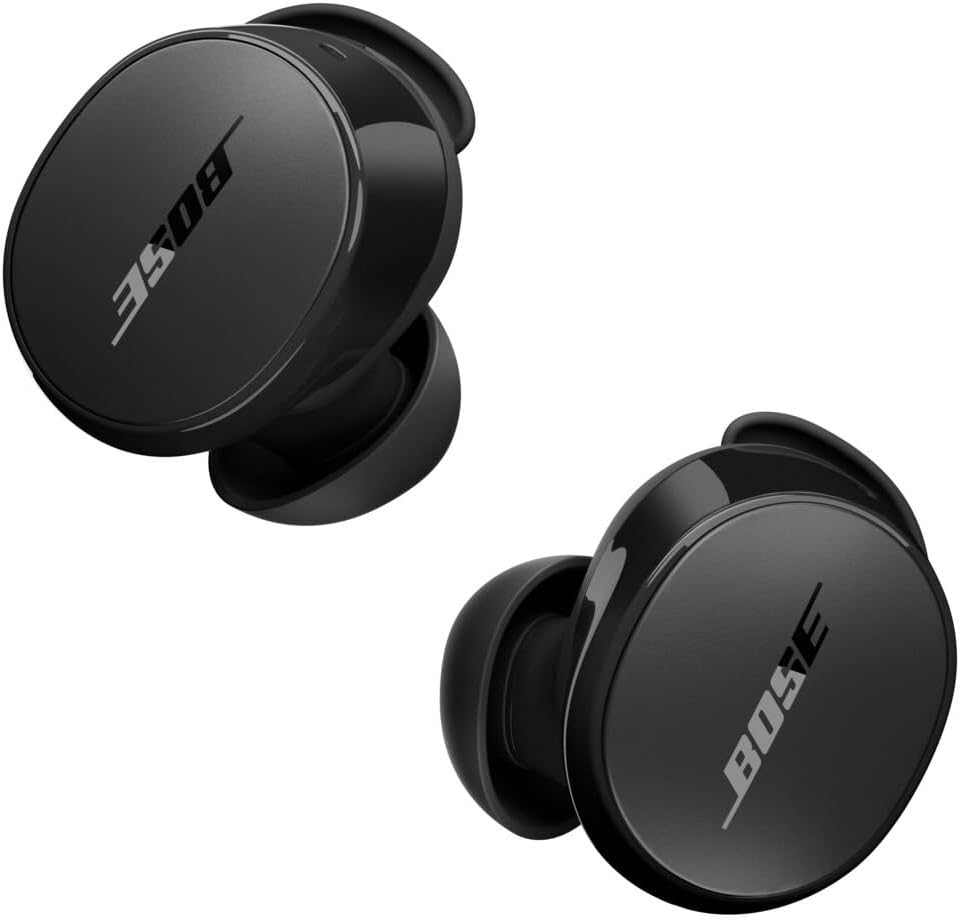 Visit on Amazon →
The Best Value Wireless Pair: JBL Vibe Beam 2
The Vibe Beam 2 is the quiet achiever of this group. Noise cancelling earbuds at a budget price used to mean a feature sticker and nothing behind it, and that has genuinely changed. What you get here is noise cancelling, a familiar shape that most ears recognize immediately, and a brand that has been building inexpensive earbuds long enough to know where the corners are.
This is the pair I would hand to somebody who wants wireless without a lot of drama. It is the least expensive wireless option of the three here, and the compromises it makes are the least annoying kind: no magic case language, no premium positioning, no learning curve. Just a pair that does the daily job.
The trade you make is in the depth of the noise cancellation and in the extras. You are not getting the same hush as the Bose, and you should not expect it at this tier. What you are getting is a real pair of wireless earbuds, and for a lot of people that is simply the correct answer. 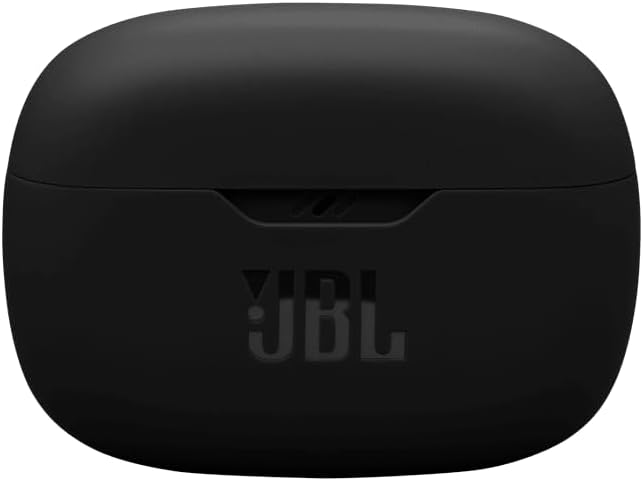 Visit on Amazon →
Best for the Gym and Phone Calls: Raycon Everyday
Raycon's marketing is loud, so I will keep this to what the listing actually claims: active noise cancelling, sweat and water resistance, and a microphone for calls, in black.
Sweat resistance is the feature that matters for the gym, and it is the one budget pairs most often skip. A microphone matters if you take calls on a walk, and call cleanup on inexpensive gear has gotten good enough that I no longer assume a budget pair sounds like a drive-through speaker on the other end of the line.
This is the pair I would pick if your earbuds live in a gym bag and you want one set that handles both the workout and the call afterward. It sits between the JBL and the Bose in this group, which is a real place to sit: more daily-proof features than the budget option, less money than the premium one. 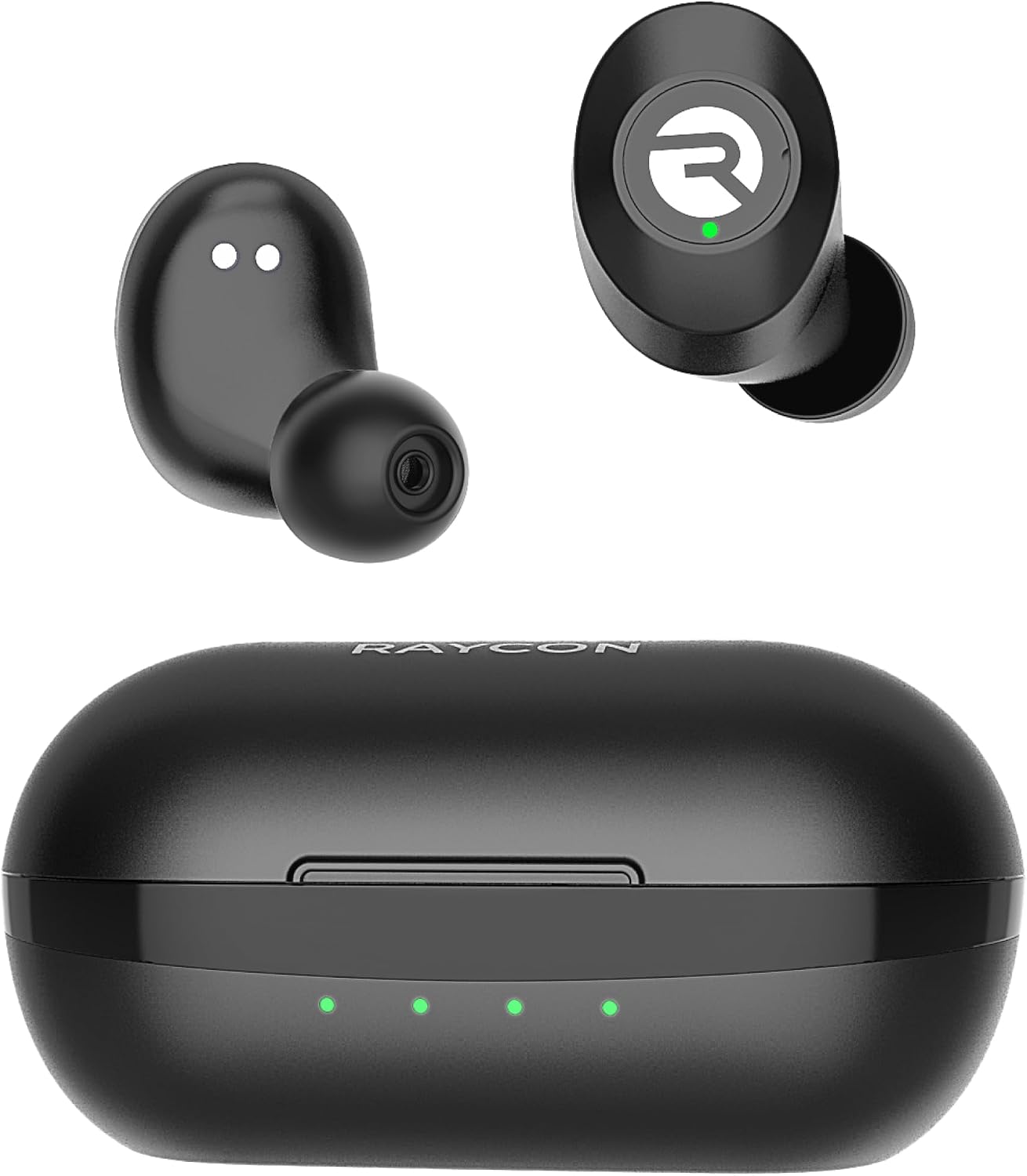 Visit on Amazon →
The Wired Pick: Skullcandy Jib
I will say the unpopular thing first: wired still sounds better than wireless at the same money. Always has. The Jib is a 3.5mm pair, so there is no battery to die, no pairing to fail, no charging case to lose, and no voice announcement to endure at the start of every walk.
What it costs you is the cable, and the jack your phone may no longer have. If you have a laptop, a controller, an older phone, a cheap practice amp, or a drawer of adapters that still work, a wired pair like this is the least frustrating audio purchase you can make. I have watched more wireless pairs die mid walk than I have watched wired pairs fail, and the wired ones never needed a firmware update.
If you are buying earbuds for a kid, a backup pair, or a laptop bag, this is where the money goes. 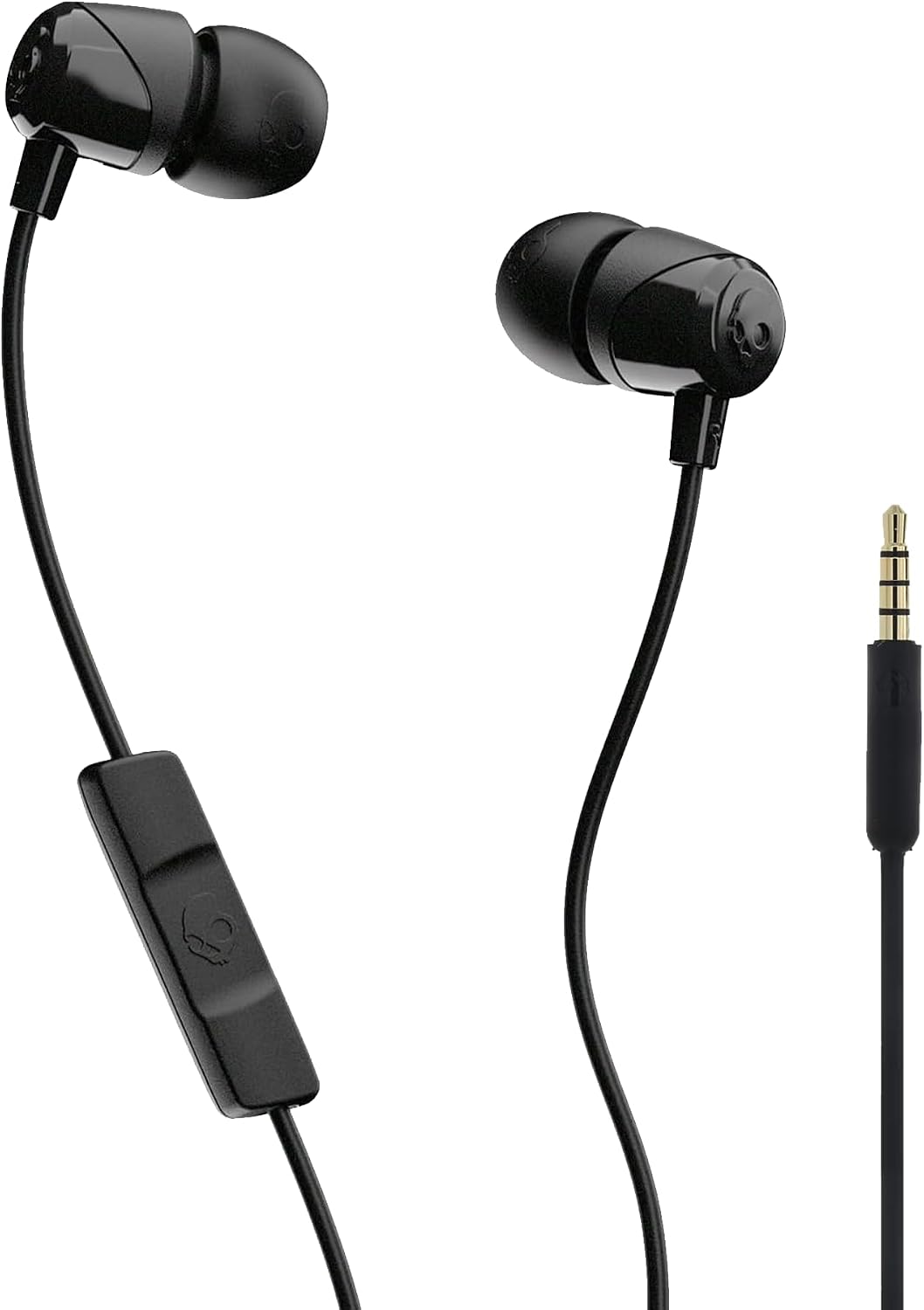 Visit on Amazon →
How I judge a pair of earbuds
Same five questions every time. I do not care what the box says until I have an answer.
- Battery at normal volume. Not at half volume with noise cancelling off in a quiet room. Normal volume, normal use, real days.
- Independent use. Can you run one bud while the other charges? I did not know I needed this until I had it, and now a pair that cannot do it feels broken.
- The volume floor. Can it get quiet enough for a quiet room at night? A pair whose minimum setting blasts your eardrums is a pair you will stop using at 10 p.m.
- Fit over time. Comfortable for ten minutes means nothing. Comfortable on day nine of walks and workouts is the bar, and if you have small, easily sore ear canals like mine, that bar is higher.
- Announcements and case language. A soft chime is fine. A shouted greeting is not. And a case that "extends playtime" is a case that recharges your buds, which is what cases have always done.
That is the test. It has sent more pairs back than any frequency response chart ever did.
What the spec sheets do not tell you
Fit beats frequency response. I mean that literally. A pair that hurts your ear canals or falls out mid walk is useless no matter what the driver size says. Ear tips are the cheapest upgrade in audio, and if a pair comes with three sizes, try all three before you decide anything about it.
Battery life is the first spec to check, and it is the first one marketing inflates. The number on the box is measured under conditions you will never reproduce. Your volume is higher, your codec is heavier, your phone is farther away. Assume you will get less, and pick a pair whose listed number leaves you room.
Latency and dropouts are the budget tier's real tax. Cheap Bluetooth used to mean a half second of lag on video and a dropout every time you turned your head. That has improved a lot, and a modern budget pair is usually stable, but it is exactly why I test with a podcast, a video, and a walk past a busy intersection before I trust anything.
The volume floor is the most ignored spec in the entire category. Nobody lists it. Every pair I have loved has gotten quiet enough for late night listening, and every pair I have hated did not.
Finally, "fine" is the highest praise in this price range. Gear that just works, every day, without a firmware update or a manual or a support ticket, beats gear that impresses on paper and annoys you by Thursday. A pair you never think about is a pair that is doing its job.
Earbuds comparison table
| Earbuds | Type | Noise cancelling | Charging | Best for | Price |
|---|---|---|---|---|---|
| Bose QuietComfort Earbuds | True wireless | Yes, active | USB-C | Commutes, noisy rooms, the quietest ride | $179.00 |
| JBL Vibe Beam 2 | True wireless | Yes, active | See listing | Best wireless value for daily wear | $64.95 |
| Raycon Everyday | True wireless | Yes, active | See listing | Gym, workouts, calls on the move | $63.98 |
| Skullcandy Jib | Wired, 3.5mm AUX | No | No battery needed | Laptops, backups, kids, anyone with a jack | $8.88 |
Should you buy the Bose QuietComfort Earbuds?
If noise cancellation is the reason you are shopping, yes. It is the pair in this group built around active noise cancellation, with the microphone, the USB-C port, the IPX4 rating, and the up to 8.5 hours of playtime listed. The hush is the feature you are paying for, and it is the one that changes a bus ride or a shared office.
Where it earns its place is in the days when you want the world turned down, not just muffled. Where it will not suit everybody is the budget. If you are shopping at the lowest price that still works, the JBL below is the smarter buy and you will not miss what you never had.
Should you buy the JBL Vibe Beam 2?
Yes, for most people reading this. It is the wireless pair I would recommend first, because it covers the daily basics with noise cancelling and a fit that does not demand a learning curve, and it does it at the lowest wireless price in this group.
The honest caveat is depth. The noise cancellation is real but it is not Bose deep, and the extras are thin. If your commute is loud enough that you want the world gone rather than lowered, spend up. If you want a dependable pair for walks, chores, and the train, this is fine, and from me that is a compliment.
Should you buy the Raycon Everyday?
Yes, if your earbuds live in a gym bag. Sweat and water resistance, active noise cancelling, and a microphone cover the three things that actually break a workout pair: moisture, a loud room, and a phone call you have to take on the way home.
It is also the middle child here, which is not a knock. You get more daily-proof features than the cheapest wireless option and you spend less than the premium one. If you want one pair for the treadmill and the parking lot afterward, this is the one I would grab.
Should you buy the Skullcandy Jib?
Yes, if you still have a jack to plug them into. No battery, no pairing, no case, no announcements, and a cable that either works or does not. For a laptop bag, a kid's first pair, or a backup in the glovebox, this is the lowest risk purchase in the article.
And if you are one of the people still holding onto the 3.5mm position, I get it. I was you. The adapters die, the phone moves on, and eventually you go wireless for daily life. But keep one wired pair around. Some days it is still the right answer, and it never needs charging.