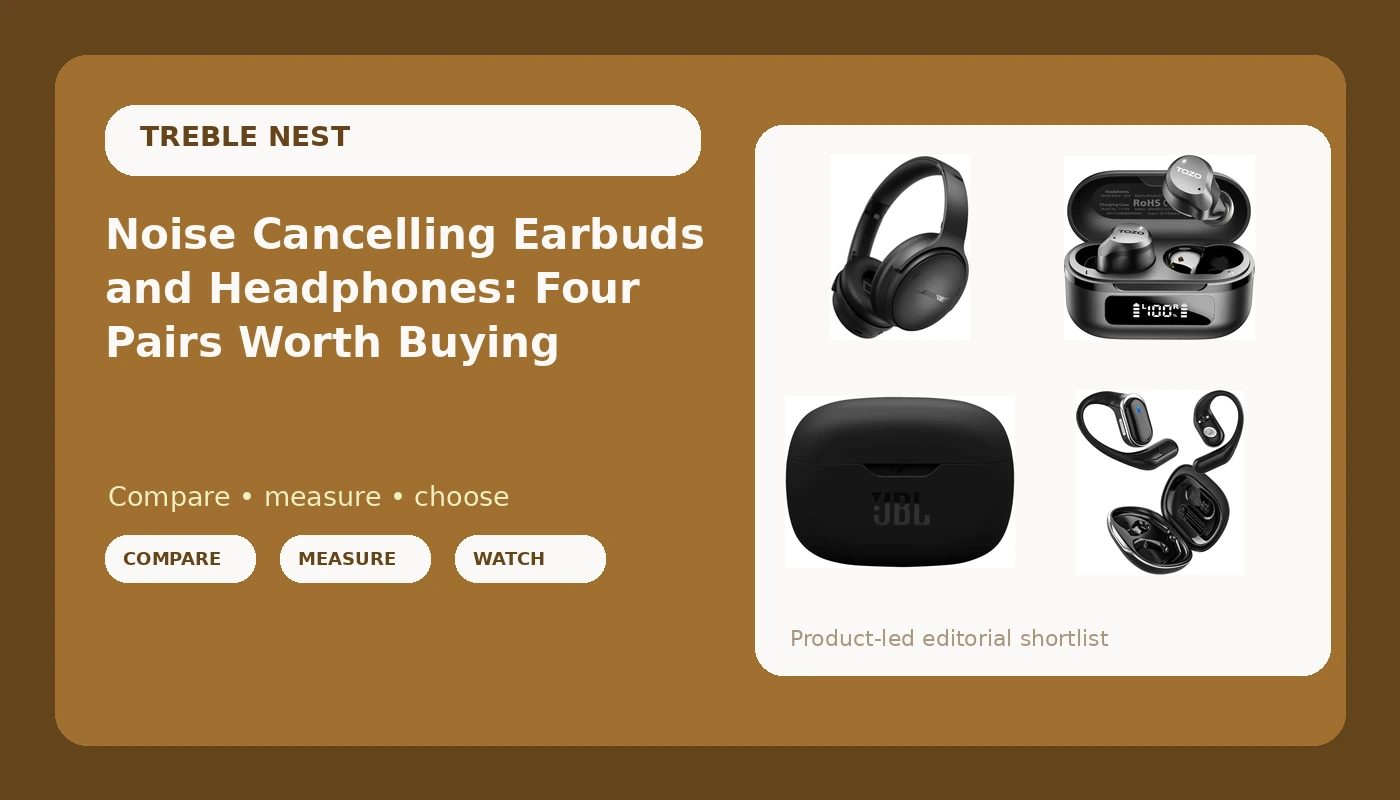
Related: Open Ear vs In Ear Earbuds: Which One Actually Stays Put
I mix monitors in small Nashville venues and clean up podcast audio at a desk, which means I spend a lot of hours with headphones on. At home I keep a serious pair of Sony over-ears for reference work. Everything else, walks, the gym, dishes, the grocery store, happens on cheap earbuds. That second tier is the one I actually care about, because it is the gear you lose, sweat on, and replace. Noise cancelling earbuds and headphones in the budget range are where the real decisions live, and this is the short version of what I have learned buying them.
I held onto a 3.5mm jack for years. Wired still sounds better to me and I will say that until I stop believing it, but the adapters die and the phone moved on, so wireless became the practical reality. Then came the rabbit hole, where every review contradicts the last one and you finish more confused than you started. I finally ordered the Soundcore P20i on gut instinct. I have bought that pair three times now. Lost one after a year, lost another after a year and seven months, and I would buy a fourth tomorrow.
What that taught me is that the spec sheet never answers the questions that matter. How long does the battery last at normal volume? Does each bud work alone? How quiet is the quietest setting? Do they survive a two-week fit test on ears that hurt easily? The four pairs below cover the shapes worth considering right now: over-ear, hybrid noise cancelling earbuds, everyday earbuds, and open-ear.
Best Overall: Bose QuietComfort Headphones
Over-ear noise cancelling is a different job than earbuds, and it is the job my work pair does. The QuietComfort puts cups around your ear instead of a tip inside your canal. If your canals hurt the way mine do, that difference is worth more than any frequency response chart. Bose lists up to 24 hours of playtime, active noise cancelling, USB-C charging, a mic for calls, and deep bass.
Two things I would check before buying. First, the pressure feeling that some active noise cancelling puts on your ears, which no listing mentions and you only find out after an hour. Second, the power-on announcement. A loud greeting is a dealbreaker for me and it is the kind of thing you cannot unhear. Over-ears are also the wrong pick if you want one pair for everything. You are not running in these.
For: desks, planes, long focus blocks, and any listening where isolation matters more than portability.
Best Noise Cancelling on a Budget: TOZO NC9
Hybrid is the interesting word here. A hybrid system uses microphones inside and outside the earbud, which is the same approach the expensive stuff uses, just at a budget price. TOZO claims 60 hours total with the case and puts an LED display on the front of it.
That display is the honest version of what I call magic case marketing. Plenty of brands write "extends playtime" as if the case generates electricity from vibes. It recharges the buds. That is all any case does, and a display showing the actual remaining charge is at least telling you the truth instead of dressing up a recharge as new battery life.
Before you commit, check the volume floor. Budget ANC buds are the worst offenders for a minimum volume that still blasts your eardrums, which makes them useless for night listening. Then confirm that each bud works independently, because it is not universal in this tier.
For: commutes, open offices, and anyone who wants active noise cancelling without paying for a logo.
Best Everyday Earbuds: JBL Vibe Beam 2
JBL has been making budget audio longer than most of the brands it competes with, and that matters on the day something goes wrong. The Vibe Beam 2 is a pair of noise cancelling earbuds in black, and it is the safe, boring pick of this group, which I mean as a compliment.
Boring is underrated. The pairs that annoy me are not the ones that sound mediocre. They are the ones with touch controls that ignore you, a case that will not seat the buds, or a pairing routine you have to relearn every time you switch devices. A known brand with a support page you can find is worth a few dollars over a no-name listing with a better spec sheet.
Check the fit first, because every pair hurts differently on small canals. Then check the volume floor, then decide for yourself whether the noise cancelling is doing enough on a bus or a plane. That last one is a personal call and no chart settles it.
For: the default daily pair. Commutes, chores, calls, walks.
Best for Running and Awareness: TRAUSI Open Ear Earbuds
Open-ear is the compromise I lived with for years. The driver sits outside your canal on an earhook, so nothing presses inside your ear, which is the only shape that has never hurt mine. You trade sound quality and isolation for that, and I got tired of pretending otherwise, but for running outdoors the trade is worth it because you can hear traffic.
The numbers are the loudest part of this listing: 80 hours of playtime, fast charging, ENC noise cancelling on the mic, and an IPX7 waterproof rating. IPX7 is the one I care about, because sweat and rain kill cheap buds faster than anything else. The earhook is what keeps them on your head when you turn to check a car at a crosswalk.
For: runners, cyclists, gym sessions, and anyone whose canals reject in-ear tips no matter the size or material.
What I check before I recommend anything
Every pair gets the same treatment, and none of it comes from the box.
Battery drain at normal volume. Not the number on the listing, which is measured at a volume nobody actually uses. I run them down at the level I listen at and write down the real hours.
Independent bud use. Can you take the left one out and keep going with the right? I did not know I needed this until I had it, and now a pair that cannot do it feels broken.
The volume floor. How quiet is the quietest setting? If the answer is still too loud for a quiet room, the pair fails, no matter how good everything else is.
The two-week fit test. Walks, workouts, dishes, and a phone call or two. My canals are small and easily sore, so "comfortable" means it survived me, not that it looked fine in a photo.
The power-on sound. A soft chime is fine. A dramatic announcement is not.
The comparison table
This is the table I keep in a note on my phone when someone asks what to buy. Playtime figures are what each listing claims, not what I measured, so treat them as the starting point for your own drain test.
| Product | Shape | Claimed playtime | Notes |
|---|---|---|---|
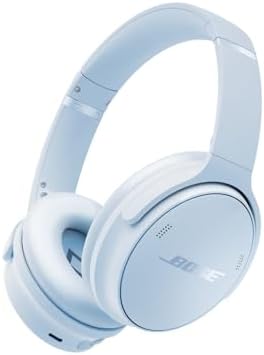 Visit on Amazon → Visit on Amazon →Bose QuietComfort Headphones |
Over-ear | Up to 24 hours | Active noise cancelling, USB-C, best isolation here |
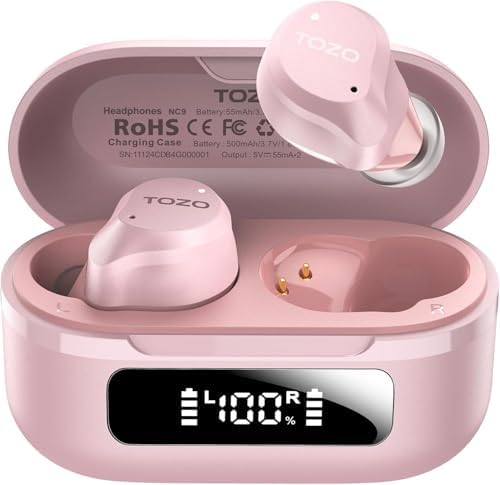 Visit on Amazon → Visit on Amazon →TOZO NC9 |
In-ear | 60 hours with case | Hybrid ANC, LED case display |
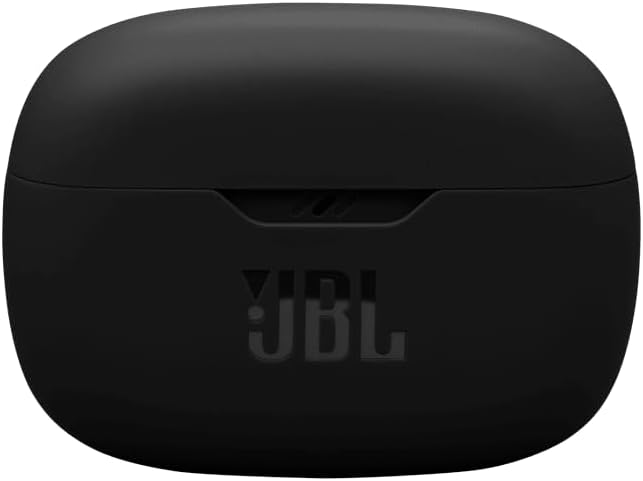 Visit on Amazon → Visit on Amazon →JBL Vibe Beam 2 |
In-ear | Check listing | Noise cancelling, known brand, fewest surprises |
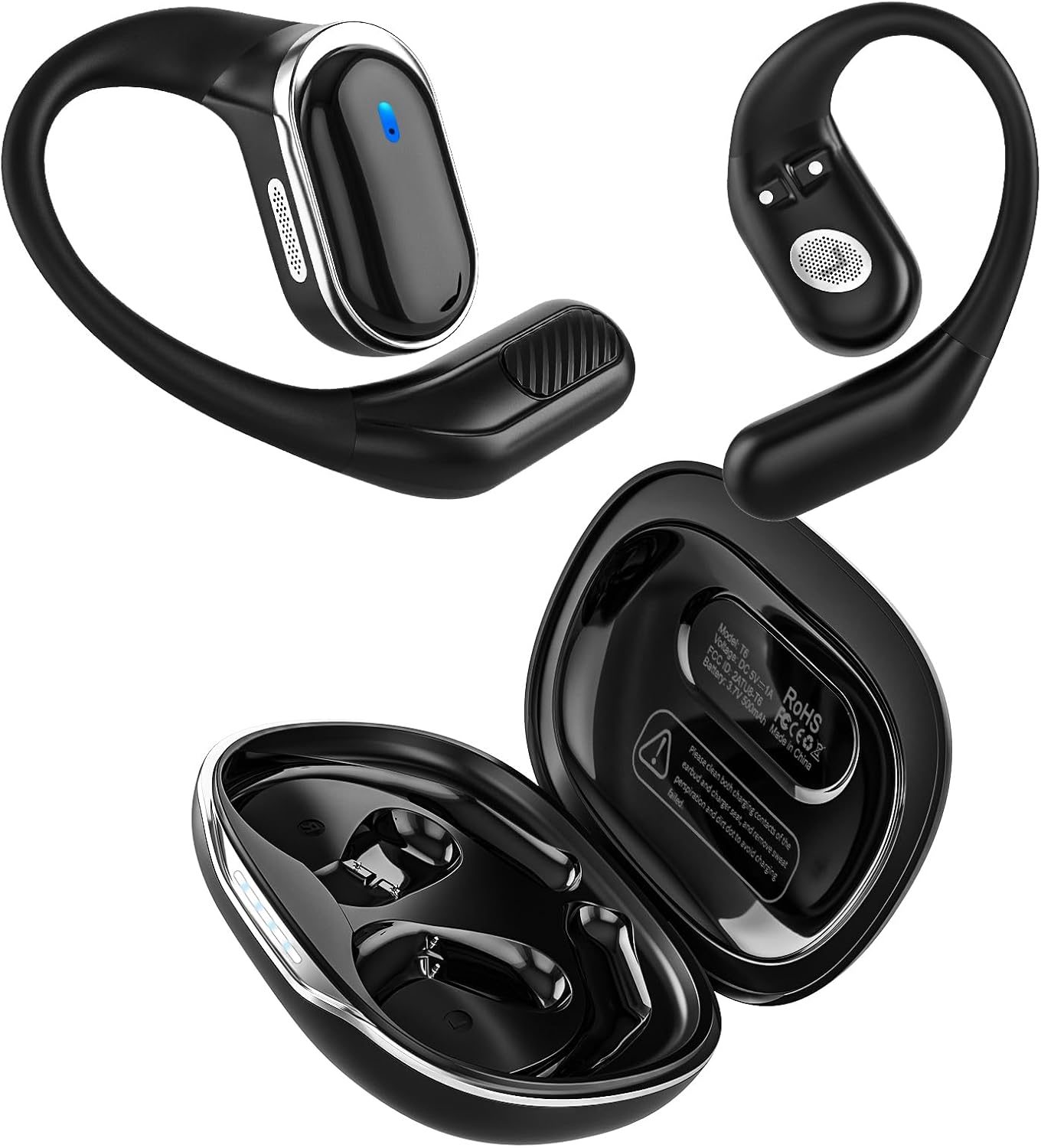 Visit on Amazon → Visit on Amazon →TRAUSI Open Ear |
Open-ear hook | 80 hours | IPX7, ENC mic, best for running |
Should you buy the Bose QuietComfort Headphones?
Yes, if isolation and comfort matter more than price or portability. Over-ear cups are the only shape that never touched my sore canals, and Bose lists up to 24 hours of playtime with active noise cancelling and USB-C charging. It is the pair I would keep at a desk and guard carefully. It is also the wrong pair if you want one set that covers the gym as well as the flight.
Should you buy the TOZO NC9?
Yes, if you want hybrid active noise cancelling for as little as this tier allows, and you like the idea of a case that tells you the truth about its charge instead of selling you a magic case. Check the volume floor and independent bud use before you commit, because those are the two places budget ANC earbuds usually fall apart.
Should you buy the JBL Vibe Beam 2?
Yes, if you want the boring, dependable option. It is noise cancelling, it is black, it is a brand you have heard of, and none of that is exciting, which is exactly the point. If you want the most features per dollar, the TOZO is the better bet. If you want the fewest surprises, this is it.
Should you buy the TRAUSI Open Ear earbuds?
Yes, if you run outdoors, sweat heavily, or have canals that reject every tip size. The earhook and the IPX7 rating are the reasons, and 80 hours of claimed playtime is the longest in this group. Go in knowing you are buying awareness and comfort, not isolation or detail. For a lot of runners, that is the whole trade, and it is a fair one.